FY27 Guard Teen Panel Delegates

This delegate represents Region 1, which consists of Connecticut, Maine, Massachusetts, New Hampshire, New Jersey, New York, Rhode Island, Vermont
This delegate represents Region 1, which consists of Connecticut, Maine, Massachusetts, New Hampshire, New Jersey, New York, Rhode Island, Vermont
Eden represents Region 2, which consists of Delaware, District of Columbia, Maryland, Pennsylvania Virginia, West Virginia
This delegate represents Region 2, which consists of Delaware, District of Columbia, Maryland, Pennsylvania Virginia, West Virginia
Christian represents Region 3, which consists of Alabama, Florida, Georgia, Kentucky, Mississippi, North Carolina, Puerto Rico, South Carolina, Tennessee, U.S. Virgin Islands
This delegate represents Region 3, which consists of Alabama, Florida, Georgia, Kentucky, Mississippi, North Carolina, Puerto Rico, South Carolina, Tennessee, U.S. Virgin Islands
Jona represents Region 4, which consists of Illinois, Indiana, Iowa, Michigan, Minnesota, Ohio, Wisconsin
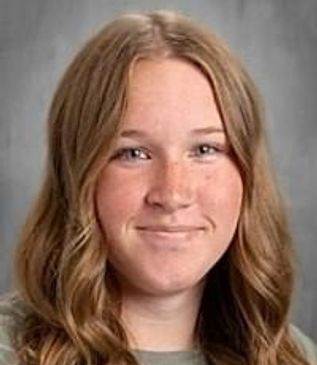
Charlee represents Region 4, which consists of Illinois, Indiana, Iowa, Michigan, Minnesota, Ohio, Wisconsin
This delegate represents Region 5, which consists of Arkansas, Kansas, Louisiana, Missouri, Nebraska, Oklahoma, Texas
This delegate represents Region 5, which consists of Arkansas, Kansas, Louisiana, Missouri, Nebraska, Oklahoma, Texas
Madilyn represents Region 6, which consists of Alaska, Idaho, Montana, North Dakota, Oregon, South Dakota, Washington, Wyoming
Annabelle represents represents Region 6, which consists of Alaska, Idaho, Montana, North Dakota, Oregon, South Dakota, Washington, Wyoming
Kendra represents Region 7, which consists of Arizona, California, Colorado, Guam, Hawaii, Nevada, New Mexico, Utah
This delegate represents Region 7, which consists of Arizona, California, Colorado, Guam, Hawaii, Nevada, New Mexico, Utah

ARNG Teens On The Move
The Army National Guard Child & Youth Services Program has dedicated this page to highlighting the amazing accomplishments of our ARNG CYS teens. If you would like to recognize a teen in your program, please reach out to Erin Berry (ARNG CYS Marketing Coordinator) at erin.berry@chenegagms.com.

ARNG Teens Lead, Learn and Connect at Keystone
Army National Guard teens from Arizona, Georgia, Kentucky, Missouri, Nevada, Oregon, and Puerto Rico joined young leaders from across the country July 23–25 for Boys & Girls Clubs of America’s 2026 National Keystone Conference. This year’s theme, “Move the Tide, Raise the Temp,” challenged teens to grow as leaders, build meaningful connections, and consider how they can create positive change in their communities.
For Oregon Army National Guard teens Madi and Addie, one of the most meaningful parts of the experience was connecting with people whose lives and experiences were different from their own.
Madi shared that the conference pushed her outside of her comfort zone and helped her build confidence while learning from the people around her.
“The National Keystone Conference was an incredible and meaningful opportunity that allowed me to grow both personally and professionally,” she said. “I also learned valuable life lessons from the people I met and the experiences we shared throughout the conference.”
Hearing others talk about their paths to success gave Madi new ideas and motivation for her own future. She left the conference with new connections, greater confidence, and lessons she said she will carry with her for years to come.
Addie was equally inspired by the diversity of teens who came together through Keystone.
“Teens with different backstories, life experiences, and personalities all get to come together with kids who share one thing in common, something they connect to and are a part of,” she said.
As one of the first teens from Oregon’s Keystone Club to attend the national conference, Addie said the opportunity was especially meaningful. She gained new skills, created lasting memories, and saw firsthand where the work her group had put into building its Keystone Club could lead.
Puerto Rico Keystone Club member Desiree also left the conference with a renewed sense of confidence and purpose. In addition to sessions focused on mental health, self-discovery, and achieving goals, Desiree participated in a community service project creating bags filled with essentials and activities for children.
The project showed her that even small acts of kindness can make a difference.
“Being able to attend made me feel very proud to be part of Keystone and helped me understand the importance of using our voices as teens to make a difference in our communities,” Desiree shared.
For Madi, Addie, Desiree, and the other Army National Guard teens who attended, the National Keystone Conference was more than a few days away from home. It was an opportunity to discover their strengths, learn from one another, and return home ready to put those lessons into action through their Keystone Clubs, State Teen Panels, and communities.
Minnesota Teens Sew Support for Deployed Service Members

Minnesota National Guard teens put their teamwork and service skills into action this summer, creating 132 cooling collars for deployed service members during the Minnesota National Guard Child and Youth Program Teen Summit.
The service project gave Minnesota Teens an opportunity to work together on a hands-on project with a direct connection to the military community. To help bring their idea to life, the teens received support from Eileen Scott, an Air Force veteran and longtime volunteer with Minnesota Army National Guard Child and Youth Programs.
Scott, a member of the American Sewing Guild, recruited six fellow guild members to help prepare materials ahead of the summit. During their May meeting, the group cut and prepped the fabric needed for the cooling collars. Scott then brought sewing machines and sewing kits to the Teen Summit in June and worked alongside the teens as they completed the project.
“When you do this a few times, you get to know people and their lives beyond the event at hand,” Scott said of volunteering with Child and Youth Programs.
By the end of the summit, Teen Panel members had completed 132 cooling collars to support deployed service members.
The project is one example of how Minnesota’s Child and Youth Program gives Army National Guard teens opportunities to lead, serve, build new skills, and make a difference in their community. With support from volunteers and community partners, teens were able to take an idea and turn it into a meaningful act of service.
Guard Teen Panel Delegates Represent National Guard Youth at Army Leadership Forum
Guard Teen Panel Delegates Represent National Guard Youth at Army Leadership Forum
Guard Teen Panel Delegates Represent National Guard Youth at Army Leadership Forum

From June 26 through July 1, three Guard Teen Panel delegates represented Army National Guard youth at the Army Youth Leadership Forum in Colorado Springs, Colorado. Christian M. from Region 2, Charlee C. from Region 7, and Kendra B. from Region 9 joined Army teens from around the world for leadership development, collaboration, advocacy, and unique military experiences.
Throughout the forum, delegates discussed issues affecting military-connected youth, worked together to develop presentations for Army leadership, connected with fellow teens, and shared the experiences of National Guard youth. Christian and Kendra reflected on the moments that made the greatest impact on them.
Learning, Leading, and Advocating
Guard Teen Panel Delegates Represent National Guard Youth at Army Leadership Forum
Guard Teen Panel Delegates Represent National Guard Youth at Army Leadership Forum
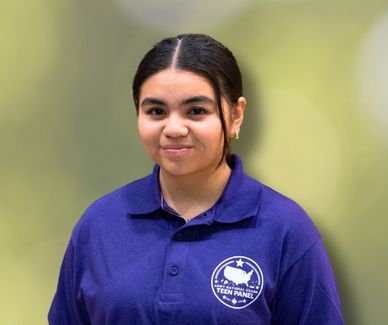
Written by Kendra B., Region 9 Delegate
From June 26 through July 1, I had the opportunity to represent National Guard youth at the Army Youth Leadership Forum. Forty-six Army youth from around the world attended, including three Army National Guard teens, one Army Reserve teen, and 42 Active Army teens.
On the first full day, the Army Teen Panel presented nine issues identified by Army youth worldwide. Participants then voted on the four issues they believed were most important: substance abuse, negative peer culture, a lack of soft-skills education, and limited job opportunities, especially for youth living overseas.
Over the next two days, we worked in small groups to develop creative presentations for Army leadership. I was part of the Yellow Group, and we performed a skit highlighting the importance of teaching soft skills to military youth.
We also learned from guest speakers and panels, including Kelly Pringle from the Boys & Girls Clubs of America, youth representatives who attended the 4-H Conference and Joint Service Teen Council, and Medal of Honor recipient Drew Dix.
During a visit to Fort Carson, we trained with athletes from the Army World Class Athlete Program who compete in track and field, wrestling, and boxing. We also spoke with a nutritionist and learned what life is like as a WCAP athlete.
As a National Guard teen, I had heard Active Army youth talk about the teen centers available on their installations, but this was my first opportunity to experience one. Seeing the space and programs firsthand gave me a greater appreciation for the resources available to Active Army youth.
Overall, YLF was a great opportunity to represent and advocate for the National Guard. I strengthened my leadership skills, collaborated with Army youth, and built meaningful connections with teens and Army leaders.
Making Sure Guard Youth Are Heard
Guard Teen Panel Delegates Represent National Guard Youth at Army Leadership Forum
Making Sure Guard Youth Are Heard
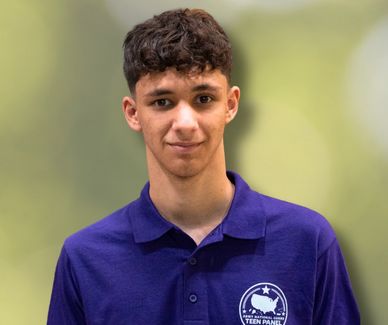
Written by Christian M., Region 2 Delegate
On the final day of the Youth Leadership Forum, the Army National Guard teens were given the opportunity to brief the Active Army youth attending the event. We talked about how Guard teens and their families can have very different experiences from our Active Army counterparts. We felt it was important to help everyone better understand what makes life as a Guard youth unique.
We introduced ourselves, the Guard Teen Panel, the regions we represented, and shared personal remarks about what being a Guard youth is really like. We also talked about what the Guard Teen Panel accomplished during April and in the months that followed.
Even though everyone was tired after several long days, they listened and heard our message. The Guard had the stage in front of youth from across the Army. We may represent a smaller part of the Army community, but our experiences matter just as much. We use every opportunity we are given to advocate for National Guard youth across every state, territory, and the District of Columbia.
Before we left, I asked the other Guard Teen Panel representatives why they do this work.
Kendra said, “I do it because I know that at these events I will be making a difference for youth across the 54 states, territories, and the District of Columbia. The opportunity is set in front of me for a reason, and I know that I will take these opportunities to make the change in the world that I want to see.”
Charlee shared, “I do this because I want to make a difference in my life and leave behind a legacy. I have always wanted to do this, no matter how big or small. Through these programs, I am able to do that. This is why I participate in teen programs.”
And I do it because I know that somewhere, I am making a Guard teen smile. That is enough.